If you’re aiming to elevate your rock climbing performance, a well-chosen training book can be a reliable companion. The following selections offer structured methods, practical drills, and mental strategies drawn from experienced climbers and coaches. This article introduces five highly regarded titles in the How To Climb series and related guides, each designed to deepen technique, strength, and consistency on the wall. Read on to compare core approaches and identify the book that best fits your training goals and experience level.
| Product | Author |
|---|---|
| Training for Climbing (How To Climb Series) | Eric Horst |
| Training for Climbing: The Definitive Guide To Improving Your Performance (How To Climb Series) | Eric Horst |
| The Climbing Bible: Technical, physical and mental training for rock climbing | Martin Mobråten, Stian Christophersen |
| Beastmaking: A fingers-first approach to becoming a better climber | Ned Feehally |
| The Climbing Bible: Practical Exercises: Technique and strength training for climbing | Martin Mobråten, Stian Christophersen |
Training For Climbing (How To Climb Series)

Eric Horst’s first entry in the How To Climb series presents foundational concepts for climbers seeking steady improvement. The book blends technique, training structure, and progression with practical drills adaptable to home walls, gyms, or outdoor routes. Readers will find clearly explained training cycles, periodization ideas, and how to balance endurance with power. It is suitable for beginners stepping up from casual climbing and intermediate climbers wanting a repeatable framework to track progress.
Training for Climbing: The Definitive Guide To Improving Your Performance
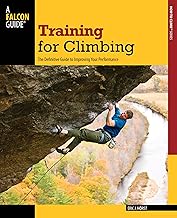
This expanded guide deepens Horst’s methodology, emphasizing measurable progress and performance-oriented training cycles. The content covers advanced technique refinements, systematic strength training, and interval planning for both endurance and power. It is especially valuable for climbers who want a comprehensive playbook to optimize training time, avoid plateaus, and tailor plans to specific routes or competitions. Practical worksheets help translate theory into action on the wall.
The Climbing Bible: Technical, physical and mental training for rock climbing

Martin Mobråten and Stian Christophersen, with translation by Bjørn Sætnan, compile a comprehensive reference covering technique, conditioning, and mental aspects of climbing. The work integrates practical drills with insights into movement efficiency, grip preservation, and route-reading strategies. This book is well-suited for climbers seeking a holistic approach that blends precise mechanics with stamina and focus during multi-pitch or challenging routes.
Beastmaking: A fingers-first approach to becoming a better climber

Ned Feehally’s Beastmaking focuses on a finger-strength-centric path to improved climbing. With Shauna Coxsey contributing a foreword, the book explores finger loading, grip techniques, and injury prevention tailored to modern climbing demands. It presents progressive exercises designed to build durable fingers, while balancing strength with technique to reduce fatigue on longer climbs. This title appeals to climbers prioritizing precise grip development and finger health as a foundation for higher-grade routes.
The Climbing Bible: Practical Exercises: Technique and strength training for climbing

This companion volume to The Climbing Bible zeroes in on actionable routines for technique refinement and strength build. It provides targeted exercises designed to translate mobility and control into steadier execution on various holds and routes. Readers can leverage these routines to complement on-wall practice, enabling more efficient sessions and clearer progress over time. The emphasis remains on practical application rather than abstract theory, with clear progression cues.
Buying Guide: Key Purchase Considerations
- Training focus: Decide whether you need a broad performance guide, finger-strength emphasis, or a balance of technique, power, and mental tactics. The catalog here covers all three approaches.
- Experience level: If you are a beginner, look for books with foundational concepts and clear progressions. Intermediate climbers benefit from cycle planning and advanced technique drills, while advanced climbers may prefer emphasis on mental strategies and nuanced technique.
- Drill practicality: Consider how easy it is to implement the drills at your usual training venues (home gym, local gym, or crag). Books with structured weekly plans can help maintain consistency.
- Finger health and load management: Finger-centric guides offer valuable guidelines for progression and injury prevention, especially for climbers pursuing higher grades.
- Supplemental materials: Practical exercises, worksheets, and illustrations enhance comprehension and application. Look for books that include visual aids and clear step-by-step instructions.
- Maintenance and updates: Some titles reflect established methods; newer editions may incorporate contemporary training concepts and updated injury prevention tips.
- Translation and accessibility: For non-native readers, consider the clarity of instructions and the availability of additional resources, such as online videos or glossary terms.
Across these selections, climbers can tailor a training approach that aligns with route goals, available training time, and personal injury considerations. Whether you pursue a comprehensive performance framework or a targeted finger-strength program, these books offer actionable guidance to structure progress and sustain motivation on climbing journeys.