Delving into jazz theory requires a path that starts with core concepts and gradually expands to advanced harmony, improvisation, and repertoire analysis. This article highlights five essential resources that cover fundamentals, applied theory, post-bop developments, and classic jazz standards. Each selection offers structured insights for players and composers alike, helping readers progress from basic chord concepts to sophisticated jazz language.
| Product | Brand | Type | Key Features |
|---|---|---|---|
| The Jazz Theory Book | Sher Music Co | Foundational Reference | Comprehensive overview of jazz theory concepts |
| Jazz Theory & Workbook | Hal Leonard | Practical Workbook | 270 pages; all instrument applicability |
| Modern Jazz Theory and Practice: The Post-Bop Era | Berklee Press Publications | Modern Theory Guide | Post-bop era concepts; concise (80 pages) |
| The Definitive Vince Guaraldi | Hal Leonard | Sheet Music Collection | 31 note-for-note transcriptions; piano |
| The Best Jazz Standards Ever 3rd Edition | Hal Leonard | Songbook Collection | 77 jazz standards; piano/vocal/guitar |
The Jazz Theory Book
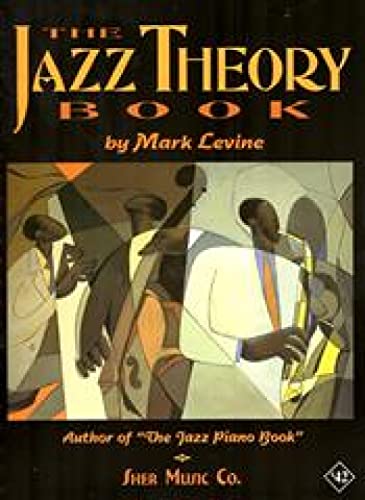
The Jazz Theory Book offers a comprehensive curriculum for understanding jazz harmony, rhythm, and melodic construction. It covers scales, chords, substitutions, voice leading, and the relationships among tonal centers. Readers gain a rigorous framework for analyzing jazz literature and crafting improvisational ideas grounded in theory. The text serves both students building a foundation and professionals seeking a reference for advanced concepts such as altered scales, diminished patterns, and modal interchange.
Jazz Theory & Workbook

This workbook companion to jazz theory provides hands-on exercises aligned with standard repertoire and practice routines. With 270 pages of content suitable for all instruments, it reinforces key ideas such as chord-scale relationships, reharmonization, and applied theory through practical drills. The format supports both individual study and classroom use, making it a practical bridge from concept to performance.
Modern Jazz Theory and Practice: The Post-Bop Era

Focused on the post-bop era, this concise guide by Steve Rochinski distills essential theory used by modern jazz players. The book emphasizes harmonic language, voice-leading, and phrasing appropriate for contemporary ensembles. At just 80 pages, it offers a targeted overview suitable for students who already grasp basic harmony and want to advance quickly into more nuanced improvisational vocabulary.
The Definitive Vince Guaraldi

This collection presents note-for-note piano transcriptions of Vince Guaraldi’s iconic jazz compositions. For students aiming to study jazz piano vocabulary, the pieces illustrate chord voicings, melodic lines, and rhythmic feel within a complete, performance-ready context. The arrangement depth supports both study and recital preparation, highlighting practical application of theory in performance.
The Best Jazz Standards Ever 3rd Edition

This standards collection aggregates 77 essential tunes with arrangements for piano, voice, and guitar. It provides practical, performance-ready context for studying common jazz ballads and up-tempo favorites. The compendium helps readers analyze form, chord progressions, and melodic devices across a broad repertoire, making it a versatile resource for practice and performance alike.
Buying Guide: Key Purchase Considerations
When selecting jazz theory resources, consider the reader’s current level, goals, and preferred study format. Foundational texts like The Jazz Theory Book deliver a deep theoretical framework, ideal for serious study and college-level work. Workbooks such as Jazz Theory & Workbook reinforce concepts through applied exercises, benefiting those who learn by doing. For quick skill advancement, Modern Jazz Theory and Practice emphasizes post-bop language in a concise package, suitable for busy musicians.
Repertoire-focused materials—such as The Definitive Vince Guaraldi and The Best Jazz Standards Ever—provide practical examples of theory in action through performances and standard tunes. These collections help bridge theory with real-world playing, improvisation, and accompaniment. Additionally, balance instrument scope and notation: some books target keyboardists, others are instrument-agnostic or designed for all instruments. Songbooks with P/V/G configurations support ensemble planning and vocal accompaniment.
Consider supplemental features: online audio, play-along tracks, and exercise sets. Audio examples can clarify rhythm, swing feel, and harmonic context, while exercises reinforce memory and technique. If budgeting for a single resource, starting with a comprehensive theory reference plus a workbook offers both depth and practice. For ongoing study, rotate between a foundational text, a post-bop focused guide, and a standards anthology to maintain a well-rounded perspective.
Audience perspective considerations include: a) students seeking structured curricula; b) performers aiming to expand improvisational vocabulary; c) educators planning course materials; d) composers wanting harmonic shorthand and reharmonization techniques. Each selection in this list serves multiple aims—from foundational study to advanced performance practice—allowing readers to chart a custom learning path aligned with interests and instrument of choice.
To maximize Bing ranking potential, this article integrates the primary keyword with naturally flowing language, includes product-referenced detail, and presents structured sections that help readers quickly compare options. The result is an informative, objective guide that supports informed purchasing decisions for jazz theory study.