Discover a curated selection of forensic science textbooks and hands-on resources ideal for high school study and homeschool curricula. This guide highlights five titles that cover core concepts—from crime scene analysis and chemistry to biology and investigative thinking—paired with practical activities and lab-style experiences. Each item is selected for breadth, standards alignment, and classroom versatility, helping students build critical reasoning and scientific literacy.
| Product | Brand | Focus |
|---|---|---|
| Criminalistics: An Introduction to Forensic Science (10th Edition) | PEARSON EDUCATION | Forensic foundations and casework |
| The 100 Series: Biology Workbook—Grades 6-12 | Carson Dellosa Education | Biology fundamentals and standards alignment |
| Crime Scene Forensic Science Kit: Missy Hammond Murder | Crime Scene | Hands-on forensic investigations |
| The Everything Kids’ Science Experiments Book | Simon & Schuster | Experiments across science domains |
| Mark Twain Forensic Investigations Workbook | Mark Twain Media | Deductive reasoning and handwriting/fingerprints |
The following five products were chosen for their relevance to high school forensic science topics, practical activities, and alignment with classroom or homeschool curricula. Each entry provides a concise overview, key features, and a link to purchase.
Criminalistics: An Introduction To Forensic Science

Overview and approach: Richard Saferstein’s Criminalistics 10th Edition provides a comprehensive survey of forensic science essentials, including evidence collection, lab methods, and the scientific basis behind crime-scene reconstruction. The text integrates laboratory techniques with case studies to illustrate how evidence is interpreted within legal frameworks. This edition is suitable for advanced high school courses and introductory college-level work.
Key features: Core topics in forensic science, real-world case examples, and updated laboratory concepts. The book emphasizes analytical reasoning, evidence handling, and the interdisciplinary nature of modern crime-scene investigation. It supports students building practical lab skills and critical thinking for exams and future study.
The 100 Series: Biology Workbook—Grades 6-12
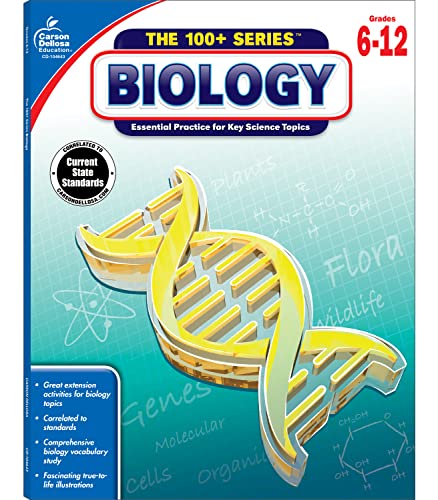
Overview and approach: This biology workbook offers extensive practice aligned to standards, with focus areas such as matter, cells, genetics, and elements. It serves as a solid complement to forensic science courses by strengthening foundational biology vocabulary and essential concepts used in forensic investigations, including DNA analysis foundations and cellular biology relevant to evidence interpretation.
Key features: Correlation to educational standards, broad biology vocabulary practice, and activities suitable for independent study or guided classroom work. It supports extended activities that reinforce analytical thinking about biological evidence, heredity, and chemical interactions in forensic contexts.
Mark Twain Forensic Investigations Workbook

Overview and approach: This workbook centers on crime-solving through science, suitable for middle-to-high school learners seeking critical thinking challenges. It emphasizes deductive reasoning and multiple plausible outcomes in many scenarios, mirroring real-world forensic interpretation where evidence can support alternative hypotheses.
Key features: Interpretive handwriting analysis, body language cues, fingerprinting activities, and a diverse set of investigative tasks. The workbook fosters collaborative problem-solving and helps students translate evidence into logical conclusions without prescriptive single answers.
Crime Scene Forensic Science Kit: Missy Hammond Murder
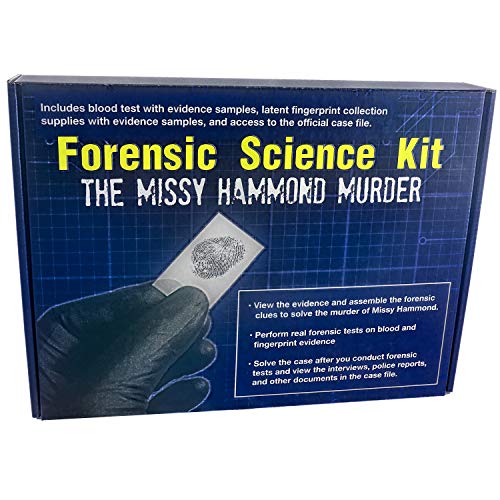
Overview and approach: This hands-on kit is designed to engage students in authentic forensic testing using actual investigative activities. It includes case evidence, latent prints, a fabric sample with a synthetic blood stain, and access to a police case file with online components to deepen investigation techniques.
Key features: Realistic tests and tools for fingerprint analysis, bloodstain testing, and methodical evidence examination. The kit provides tangible practice with the investigative workflow—from evidence handling to hypothesis testing and report generation.
The Everything Kids’ Science Experiments Book
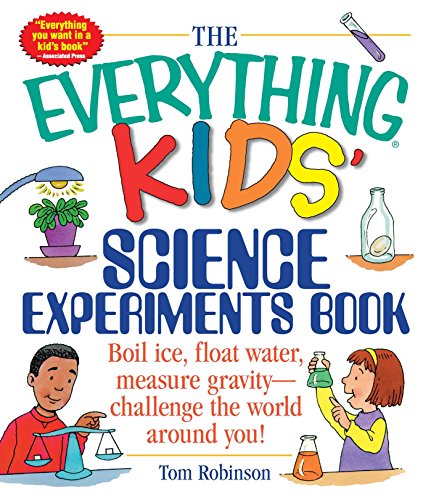
Overview and approach: This book offers a wide range of hands-on experiments across science domains, including chemistry, physics, and biology. It supports exploratory learning and can complement forensic topics by encouraging curiosity, measurement, and observation skills essential for evidence analysis.
Key features: 2305901, 045079205574—practical experiments suitable for classroom or homeschool use. The activities foster inquiry, data collection, and simple experimental design, which are foundational to forensic science reasoning.
Buying Guide
- Curriculum alignment: Look for titles that match your course objectives, whether introductory forensic science, biology foundations, or hands-on investigation skills. Check whether the material supports high school standards or is adaptable for mixed-ability classrooms.
- Hands-on potential: For forensic topics, practical activities such as fingerprinting, crime-scene analysis, and lab-style experiments strengthen learning. Kits and lab manuals often provide ready-to-use experiments with consumables and guides.
- Depth versus accessibility: Choose resources that balance rigorous content with accessible explanations. Some texts are ideal for advanced courses, while others work well for foundational skills or homeschool settings.
- Assessment opportunities: Seek books that include exercises, practice questions, and rubrics for evaluating deductive reasoning, data interpretation, and written reporting of findings.
- Supplementary materials: Accessories such as case files, online components, and teacher guides can enhance instruction and student engagement. Consider whether you need digital resources for remote learning.
- Age and readiness: Some titles skew middle school; others are clearly high school-level. Ensure the selected materials match the student’s grade and prior experience with scientific methods.
- Versatility and durability: Durable hardcopy workbooks or classroom kits can be reused across multiple terms or cohorts, providing long-term value for science programs and homeschool owners.