Actors often turn to audiobooks to study voice, pacing, and character development while preparing for roles. This guide highlights five relevant titles that explore acting technique, stagecraft, and the actor’s craft. Each entry offers insights into preparation, performance, and the artistic process, making them useful resources for both newcomers and seasoned performers.
| Product | Amazon Link | Format |
|---|---|---|
| An Actor Prepares | Link | Book |
| A Shakespearean Actor Prepares | Link | Book |
| The Student Actor Prepares: Acting for Life | Link | Kindle Edition |
| An Actor’s End | Link | Book |
| A Practical Handbook for the Actor | Link | Book |
Below are five detailed profiles of the most relevant titles, each explored for how it can support an actor’s preparation process, whether you’re studying lines, developing a voice, or refining acting techniques.
An Actor Prepares

The title “An Actor Prepares” centers on foundational practices actors deploy to ready themselves for performance. Key concepts include routine development, vocal warm-ups, and creating a consistent pre-show mindset. This resource supports actors aiming to structure their rehearsal process and cultivate a reliable approach to character work. Its pragmatic guidance can help performers integrate preparation steps into daily schedules, making it suited for students and professionals who want repeatable methods before auditions or stage runs.
A Shakespearean Actor Prepares
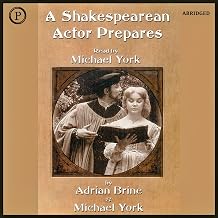
This title emphasizes rehearsal approaches for classical material, including verse, rhythm, and textual analysis tailored to Shakespearean roles. It offers strategies for delivering lines with clarity and musicality while staying true to character intent. Actors preparing for period pieces or modern adaptations that draw on Shakespearean techniques can benefit from the guidance on phrasing, tempo, and breath control. The book-friendly format supports solo study and classroom discussions alike.
The Student Actor Prepares: Acting for Life

From the author listed as Gai Jones, this edition focuses on acting for life and education within theatre. It integrates practical exercises, reflective prompts, and ethical considerations for performers navigating training, auditions, and performance opportunities. The content is useful for aspiring actors seeking long-term growth, transferable skills, and a framework for maintaining professional discipline across different acting contexts.
An Actor’s End

“An Actor’s End” explores the cycle of an actor’s career, including the transition between roles, project choices, and the emotional toll of performing. It provides perspectives on planning career moves, maintaining resilience, and balancing artistic goals with practical realities. This title can help actors evaluate their own professional trajectory, strategize opportunities, and reflect on the long arc of creative work beyond single performances.
A Practical Handbook for the Actor

This handbook offers a structured toolkit for actors, combining theory with exercises designed to build technique, vocal control, and stage presence. It can function as a steady reference for on-the-job preparation, scene work, and character development. The practical focus supports performers who prefer actionable steps, checklists, and concise guidance suitable for both self-study and guided coaching.
Buying Guide
- Purpose and scope: Choose titles that align with your current goals—technique development, classical performance, or career planning. For daily practice, practical guides with exercises are especially useful.
- Format considerations: Printed books work well for in-depth study, while Kindle editions can be convenient for on-the-go review and annotation.
- Author credibility: Look for authors with professional acting experience, teaching credentials, or a track record of clear, usable instruction.
- Audience level: Some titles are introductory, others are advanced. New actors may benefit from foundational guides, while seasoned performers may seek targeted insights for specific genres.
- Scope of practice: Consider whether the book emphasizes vocal technique, text analysis, or career strategy, and how that fits your rehearsal and audition routine.
- Supplementary resources: Check for accompanying materials such as exercises, worksheets, or audio examples that enhance learning and practice.